all the cryptocurrencies
All the cryptocurrencies
Almost. We have a process that we use to verify assets. Once verified, we create a coin description page like this. The world of crypto now contains many coins and tokens that we feel unable to verify https://tpfu.info/. In those situations, our Dexscan product lists them automatically by taking on-chain data for newly created smart contracts. We do not cover every chain, but at the time of writing we track the top 70 crypto chains, which means that we list more than 97% of all tokens.
The market cap of bitcoin and other major cryptocurrenciesare are listed below from largest market capitalization to smallest. Cryptocurrencies are also known as coins or virtual currency. The value of bitcoin is growing with time and is the largest currency by market cap currently. The currency data below is updated once every five minutes with the latest market cap data. Exchange rates for the currencies are shown in U.S. dollars. New coins are being brought to market via initial coin offerings frequently so expect the list of cryptocurrencies below to grow.
Play-to-earn (P2E) games, also known as GameFi, has emerged as an extremely popular category in the crypto space. It combines non-fungible tokens (NFT), in-game crypto tokens, decentralized finance (DeFi) elements and sometimes even metaverse applications. Players have an opportunity to generate revenue by giving their time (and sometimes capital) and playing these games.
Price volatility has long been one of the features of the cryptocurrency market. When asset prices move quickly in either direction and the market itself is relatively thin, it can sometimes be difficult to conduct transactions as might be needed. To overcome this problem, a new type of cryptocurrency tied in value to existing currencies — ranging from the U.S. dollar, other fiats or even other cryptocurrencies — arose. These new cryptocurrency are known as stablecoins, and they can be used for a multitude of purposes due to their stability.
Cryptocurrencies are digital assets that are secured by cryptography. They use decentralized networks to transfer and store value, and the transactions are recorded in a publicly distributed ledger known as the blockchain. Transactions are verified by network nodes and recorded in a public distributed ledger known as the blockchain. Cryptocurrency transactions are secure, and are verified by a decentralized network of computers.
Do all cryptocurrencies use blockchain
Not all cryptocurrencies use blockchain technology, but most do. This is because blockchain technology is a fundamental component of most cryptocurrencies, providing a secure and decentralized way to record transactions.
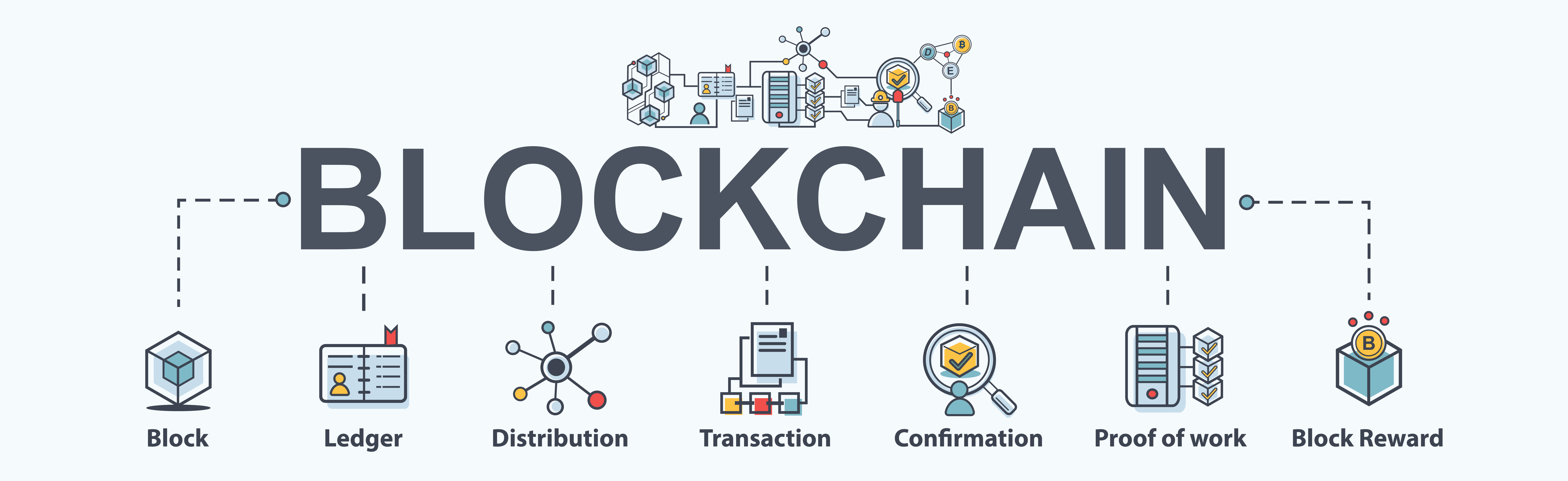
Blockchain is a decentralized digital ledger that securely stores records across a network of computers in a way that is transparent, immutable, and resistant to tampering. Each “block” contains data, and blocks are linked in a chronological “chain.”
Not all cryptocurrencies use blockchain technology, but most do. This is because blockchain technology is a fundamental component of most cryptocurrencies, providing a secure and decentralized way to record transactions.
Blockchain is a decentralized digital ledger that securely stores records across a network of computers in a way that is transparent, immutable, and resistant to tampering. Each “block” contains data, and blocks are linked in a chronological “chain.”
The settlement and clearing process for stock traders can take up to three days (or longer if trading internationally), meaning that the money and shares are frozen for that period. Blockchain can, in theory, drastically reduce that time.
Proving property ownership can be nearly impossible in war-torn countries or areas with little to no government or financial infrastructure and no Recorder’s Office. If a group of people living in such an area can leverage blockchain, then transparent and clear timelines of property ownership could be maintained.
Are all cryptocurrencies the same
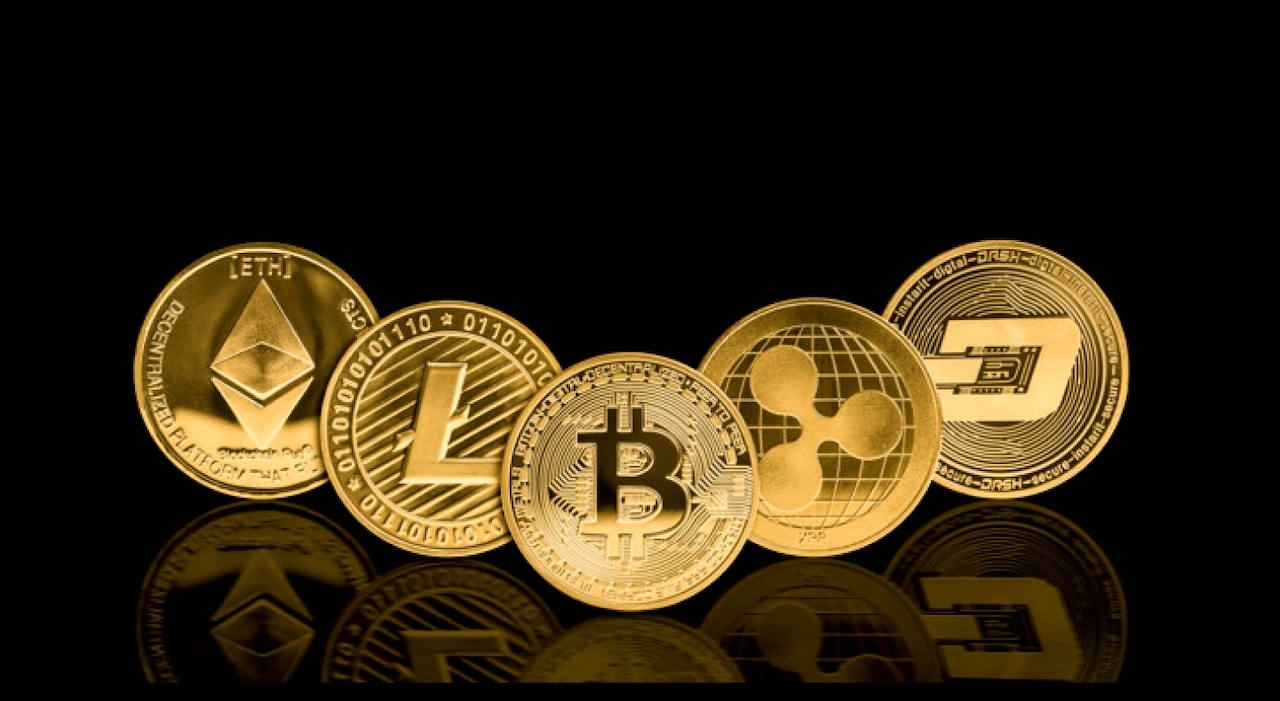
The realm of cryptocurrencies offers far more than just Bitcoin replicas. Each brings its own unique twist on blockchain technology, designed to fulfill different needs. By understanding these differences, you can make informed decisions, exploring this exciting (and sometimes bewildering) world of digital assets. Whether you choose to invest, utilize the technology, or simply learn, remember this: the crypto landscape is constantly evolving, and staying informed will be crucial for navigating this cutting-edge frontier of finance and innovation.
Digital currencies represent an umbrella term that encompasses all types of currencies in digital format. On the other hand, cryptocurrencies are one of the subsets of digital currencies that leverage cryptographic principles to provide transaction security and operate on decentralized blockchain networks. You can notice a clear difference between digital currency and cryptocurrency from their basic definitions.
Most people are not aware that there is a difference between digital, virtual, and cryptocurrencies, but they are strongly related, and it’s not a huge mistake when we mix them up. But, here we are to explain it. Digital currencies are the main group that contains all the electronic money, including the virtual and crypto ones. Virtual money is strictly digital, they aren’t controlled by any bank, and they exist in some virtual spaces, and can be used there. Sometimes, they can be exchanged for traditional money, depending on the purpose and the background. But, what makes the cryptocurrencies different? They are both digital and virtual, but they are backed up by cryptography. In order to access them, you need to either invest in the blockchain system and solve advanced cryptography tasks or join some trading community, and buy or exchange them from the people who already mined their money, and they are ready to sell them for cash. Interested?
The realm of cryptocurrencies offers far more than just Bitcoin replicas. Each brings its own unique twist on blockchain technology, designed to fulfill different needs. By understanding these differences, you can make informed decisions, exploring this exciting (and sometimes bewildering) world of digital assets. Whether you choose to invest, utilize the technology, or simply learn, remember this: the crypto landscape is constantly evolving, and staying informed will be crucial for navigating this cutting-edge frontier of finance and innovation.
Digital currencies represent an umbrella term that encompasses all types of currencies in digital format. On the other hand, cryptocurrencies are one of the subsets of digital currencies that leverage cryptographic principles to provide transaction security and operate on decentralized blockchain networks. You can notice a clear difference between digital currency and cryptocurrency from their basic definitions.
Most people are not aware that there is a difference between digital, virtual, and cryptocurrencies, but they are strongly related, and it’s not a huge mistake when we mix them up. But, here we are to explain it. Digital currencies are the main group that contains all the electronic money, including the virtual and crypto ones. Virtual money is strictly digital, they aren’t controlled by any bank, and they exist in some virtual spaces, and can be used there. Sometimes, they can be exchanged for traditional money, depending on the purpose and the background. But, what makes the cryptocurrencies different? They are both digital and virtual, but they are backed up by cryptography. In order to access them, you need to either invest in the blockchain system and solve advanced cryptography tasks or join some trading community, and buy or exchange them from the people who already mined their money, and they are ready to sell them for cash. Interested?